

Why DFW Homes Face Unique HVAC Challenges
The Dallas-Fort Worth climate can be tough on HVAC systems. Scorching summers, high humidity, and occasional winter cold snaps push heating and cooling units to their limits. These extreme conditions often lead to higher energy usage, system wear and tear, and unexpected breakdowns.
Promptly addressing HVAC issues is key to preventing costly repairs, improving energy efficiency, and maintaining indoor comfort year-round. Below, we’ll cover the most common HVAC problems in DFW homes, how to troubleshoot minor issues, and when to call a professional.
Frequent HVAC Issues & Their Causes

Many homeowners experience similar HVAC problems due to DFW’s weather conditions. Here are some of the most common complaints and what causes them.
1. Uneven Cooling or Heating
Some rooms feel too hot, while others remain too cold. This is one of the top complaints among DFW homeowners, especially in multi-story homes.
🔹 Possible Causes:
- Leaky or unbalanced ductwork.
- Poor insulation in the attic or walls.
- Thermostat placement causing incorrect readings.
- Blocked air vents restricting airflow.
🔹 Potential Fixes:
✅ Check and clean air vents—Ensure they’re open and unblocked.
✅ Seal duct leaks—Air escaping before reaching rooms causes uneven temperatures.
✅ Use ceiling fans correctly—Set fans counterclockwise in summer and clockwise in winter to improve air circulation.
✅ Upgrade insulation—A poorly insulated attic allows heat transfer, making certain rooms hotter or colder.
📌 When to Call a Professional: If sealing leaks and adjusting airflow don’t work, your system may need duct rebalancing or zoning solutions.
2. Short-Cycling (HVAC Turns On & Off Too Often)
Your AC or furnace frequently starts and stops, leading to high energy bills and extra wear on components.
🔹 Possible Causes:
- Dirty air filters restricting airflow.
- Oversized or incorrectly installed HVAC system.
- Refrigerant issues causing improper cooling cycles.
- Faulty thermostat misreading room temperatures.
🔹 Potential Fixes:
✅ Replace dirty air filters—A clogged filter forces the system to overwork.
✅ Check thermostat placement—If it’s in direct sunlight or near heat sources, it may send incorrect temperature readings.
✅ Schedule a system check-up—Short-cycling can damage components if left unresolved.
📌 When to Call a Professional: If short-cycling persists, your system may be oversized or have a refrigerant leak, both of which require expert attention.
3. High Humidity Levels Indoors
Even with the AC running, the air inside feels damp or sticky.
🔹 Possible Causes:
- An improperly sized AC system that doesn’t run long enough to remove moisture.
- Clogged condensate drain causing water buildup.
- Leaky ductwork allowing humid air inside.
🔹 Potential Fixes:
✅ Run ceiling fans—They improve air circulation, helping to balance humidity.
✅ Check for clogged drain lines—Water buildup can indicate a blockage.
✅ Use a dehumidifier—A whole-home dehumidifier helps maintain ideal humidity levels.📌 When to Call a Professional: If humidity remains high, your AC system may need recalibration or upgrading.
DIY Troubleshooting Tips: Quick Fixes Before Calling a Pro
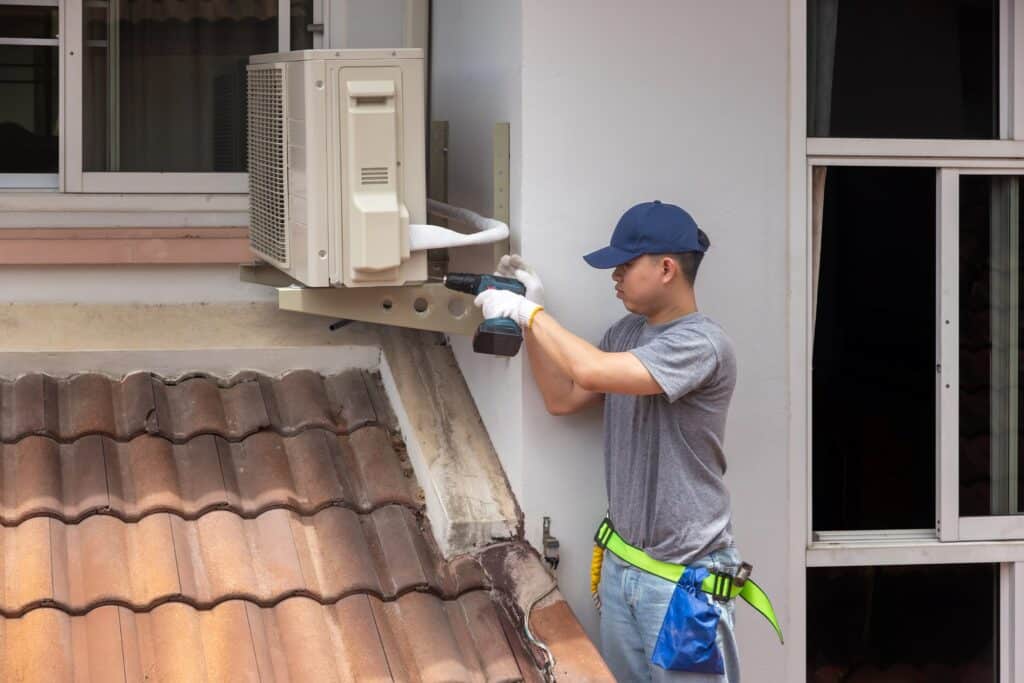
Before calling an HVAC technician, try these simple DIY troubleshooting steps that often resolve minor problems:
✅ 1. Replace Your Air Filter
A clogged filter reduces airflow, making your HVAC system work harder and less efficiently. Change it every 1-3 months for best performance.
✅ 2. Check Your Thermostat Settings
Ensure it’s set to cooling (summer) or heating (winter) and that the temperature is lower or higher than the current room temp. Also, check that it has fresh batteries (if applicable).
✅ 3. Inspect Your Circuit Breaker
If your HVAC system isn’t turning on, check the breaker box for a tripped switch. Reset it if needed, but if it trips repeatedly, call a professional.
✅ 4. Clear Debris from the Outdoor Unit
Leaves, dirt, and debris around the outdoor condenser can block airflow, making the AC work harder. Clear the area for better efficiency.
When to Call a Professional
Some HVAC problems require expert diagnosis and repair to prevent further damage.
🔹 Call a Professional If You Notice:
❌ Persistent short-cycling (unit turns on/off too frequently).
❌ Unusual smells, such as burning or moldy odors.
❌ Weak airflow, even with a clean filter.
❌ Loud banging or rattling noises coming from the system.
❌ Water pooling around your indoor unit (sign of a condensate drain issue).
❌ High energy bills despite normal usage (indicating inefficiency or leaks).
Green Attics’ Expert HVAC Repair & Maintenance Services
At Green Attics, we specialize in diagnosing and repairing HVAC issues for DFW homeowners. Our certified technicians will:
✔ Perform a full system inspection to identify problems.
✔ Check for duct leaks and airflow issues.
✔ Test refrigerant levels and electrical connections.
✔ Optimize thermostat settings for efficiency.
✔ Provide honest recommendations on repairs or upgrades.
📞 Need fast and reliable HVAC repair? Call Green Attics today!
Prevent HVAC Issues Before They Start
Most HVAC problems can be avoided with regular maintenance and simple homeowner upkeep. Follow these key steps to keep your system running smoothly:
✅ Change air filters regularly to maintain airflow.
✅ Schedule professional tune-ups twice a year (spring & fall).
✅ Keep vents and ducts clear for even air distribution.
✅ Upgrade to a smart thermostat to prevent system overuse.
✅ Seal and insulate ductwork to reduce strain on your system.
Being proactive helps you enjoy lower energy bills, fewer breakdowns, and better indoor comfort year-round.
📞 Have an HVAC issue? Contact Green Attics today for expert service!
