

Everything you need to know about heating, cooling, and energy efficiency in North Texas.
What Is an HVAC System and Why Does It Matter?
An HVAC system—short for Heating, Ventilation, and Air Conditioning—is responsible for keeping your home comfortable year-round. It regulates temperature, humidity, and indoor air quality to create a healthier and more energy-efficient living space. A properly functioning HVAC system doesn’t just keep you comfortable; it also reduces energy costs, improves air quality, and extends the life of your home’s heating and cooling equipment.
How DFW’s Climate Affects HVAC Systems
The Dallas-Fort Worth area presents unique challenges for HVAC performance due to its hot, humid summers, mild but unpredictable winters, and occasional severe weather.
- Summer Heat: With temperatures frequently exceeding 100°F, air conditioning is a necessity rather than a luxury.
- Humidity Issues: High moisture levels in the air can make homes feel warmer than they are and contribute to mold and mildew growth.
- Winter Cold Snaps: While winters are usually mild, occasional freezes require reliable heating solutions.
- Storm Impact: Heavy storms and power outages can stress HVAC systems, making proper maintenance even more important.
Because of these climate factors, choosing an energy-efficient, properly sized HVAC system is crucial for comfort and cost savings.
Understanding the Components of an HVAC System

HVAC systems work by heating, cooling, and ventilating your home. Each component plays a specific role in maintaining indoor comfort:
- Heating: Furnaces or heat pumps provide warmth by generating or transferring heat.
- Cooling: Air conditioners and heat pumps remove heat and humidity from the indoor air.
- Ductwork: A network of air ducts distributes heated or cooled air throughout the home.
- Ventilation: Brings in fresh air and removes pollutants, helping with indoor air quality.
- Thermostats: Smart and programmable models help regulate temperatures efficiently.
Key HVAC Efficiency Ratings
Understanding energy ratings can help homeowners choose an efficient system:
- SEER (Seasonal Energy Efficiency Ratio): Rates air conditioner efficiency; higher SEER means lower energy costs.
- AFUE (Annual Fuel Utilization Efficiency): Measures furnace efficiency; higher percentages indicate better fuel use.
- HSPF (Heating Seasonal Performance Factor): Applies to heat pumps; a higher rating means better winter efficiency.
Choosing a high-efficiency system can significantly reduce energy consumption, leading to lower electricity bills and a reduced environmental impact.
Types of HVAC Systems for DFW Homes
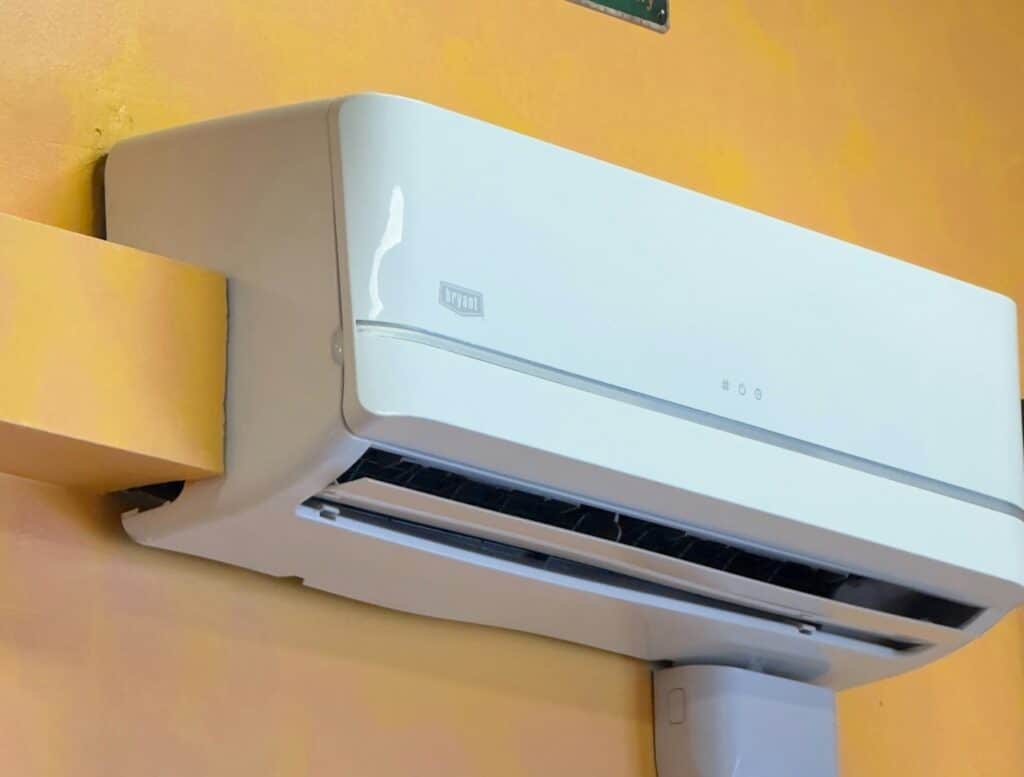
DFW homeowners have several options when it comes to heating and cooling systems. The right choice depends on home size, budget, and efficiency goals.
Central Air Conditioning
The most common cooling system, central AC units use a network of ducts to distribute cool air throughout the home. These systems are effective but require well-maintained ductwork to operate efficiently.
Heat Pumps
Heat pumps provide both heating and cooling by transferring heat rather than generating it. They are a great energy-efficient option, especially in mild winter climates like DFW. However, during extreme cold, they may require a backup heating source.
Ductless Mini-Splits
Ideal for homes without ductwork, ductless mini-split systems allow for zoned heating and cooling, meaning different rooms can have individualized temperatures. They offer high efficiency and flexibility but have a higher upfront cost.
High-Efficiency Systems
Modern HVAC units with variable-speed motors and smart technology optimize energy use, reducing strain on the system and cutting utility costs. Investing in a high-efficiency system can lead to long-term savings, making it a worthwhile investment for DFW homeowners.
When to Repair vs. Replace Your HVAC System
HVAC systems don’t last forever, and knowing when to repair or replace your unit can save money in the long run.
Signs Your HVAC System Needs Repairs
- Weak airflow or inconsistent temperatures throughout the home.
- Unusual noises like banging, rattling, or hissing.
- Frequent system cycling (turning on and off repeatedly).
- Higher-than-normal energy bills without an increase in usage.
- Excess humidity or air that feels stale, indicating poor ventilation.
When It’s Time to Replace Your HVAC System
- Your unit is 10-15 years old and requires frequent repairs.
- Repairs cost more than 50% of a new system’s price.
- Your energy bills keep rising, even with regular maintenance.
- Your home still feels too hot in summer or too cold in winter, despite the system running.
- You want to upgrade to a more energy-efficient system for long-term savings.
If your system is nearing the end of its lifespan, upgrading to a high-efficiency unit can improve comfort and significantly lower your energy bills.
Maximizing HVAC Efficiency in Your DFW Home
To keep your HVAC system running smoothly and avoid unexpected breakdowns, homeowners should follow these best practices:
✅ Schedule annual maintenance – Professional tune-ups can catch issues before they become major problems.
✅ Change air filters every 1-3 months – A clean filter improves airflow and efficiency.
✅ Seal and insulate ducts – Properly sealed ductwork prevents energy loss.
✅ Upgrade to a smart thermostat – Automated temperature control reduces energy waste.
✅ Ensure proper attic insulation – A well-insulated home helps maintain indoor temperatures, reducing HVAC strain.
Routine maintenance and small upgrades can extend the life of your HVAC system while lowering energy costs.
Need HVAC Help in DFW?
At Green Attics, we specialize in energy-efficient HVAC solutions tailored to the Texas climate. Whether you need a repair, replacement, or system upgrade, our team can help you find the best option for your home and budget.📞 Call us today to schedule your HVAC service and start saving on energy bills!
